
Freshwater aquarium guides
Below the surface. Freshwater aquarium guides, species profiles and honest gear reviews
Species, plants, water and gear: clear guides for a thriving freshwater aquarium.
Explore speciesFreshwater aquarium hobby
Freshwater aquarium guides, species profiles and honest gear reviews
handsoffmyhobby is an independent guide to the freshwater aquarium hobby, from your first 10-gallon tank to a planted aquascape. You will find clear setup and care guides, species profiles with real numbers, fixes for common problems and aquarium reviews that explain how each product was chosen.
Explore
Everything for your freshwater tank.
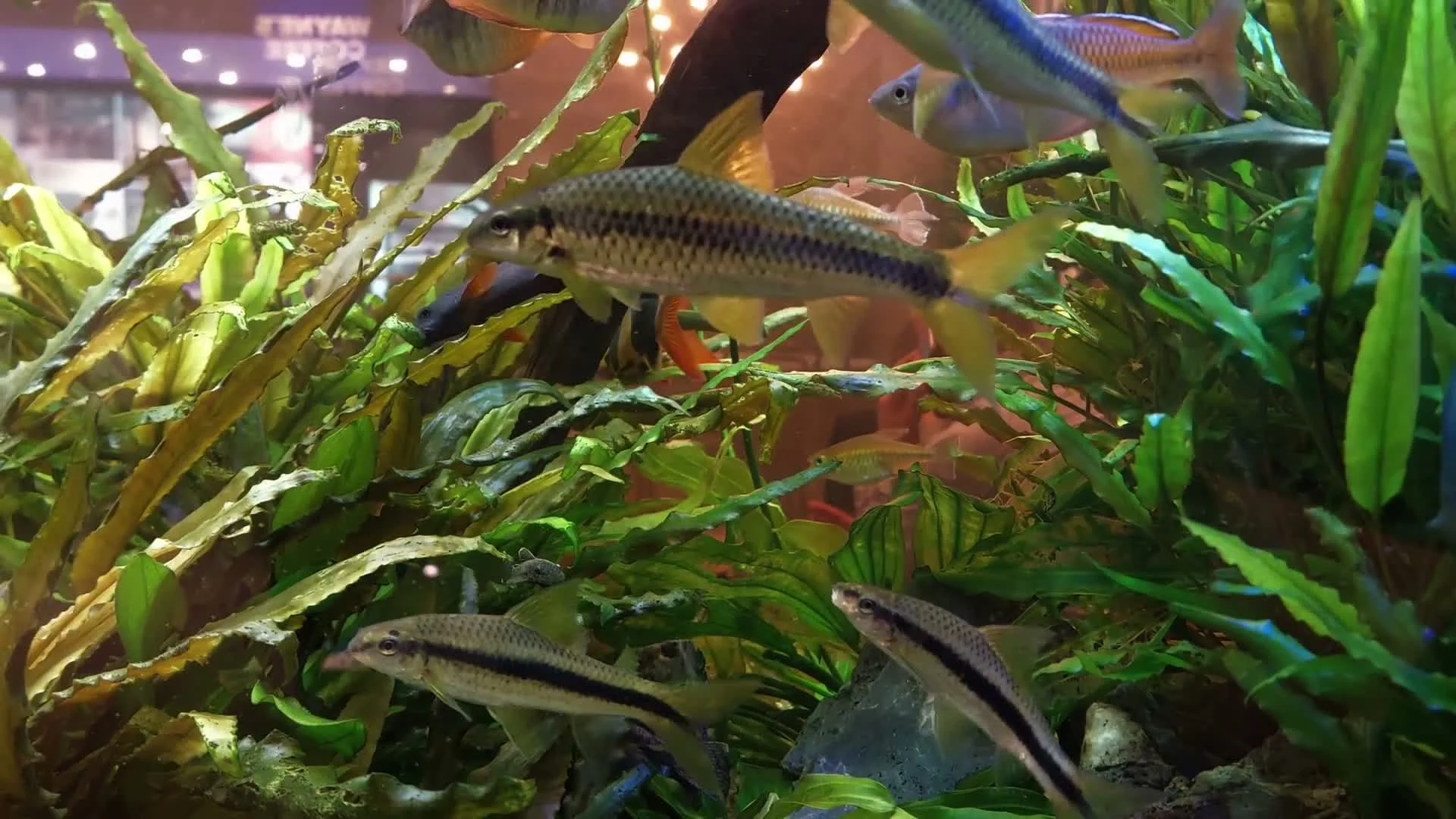
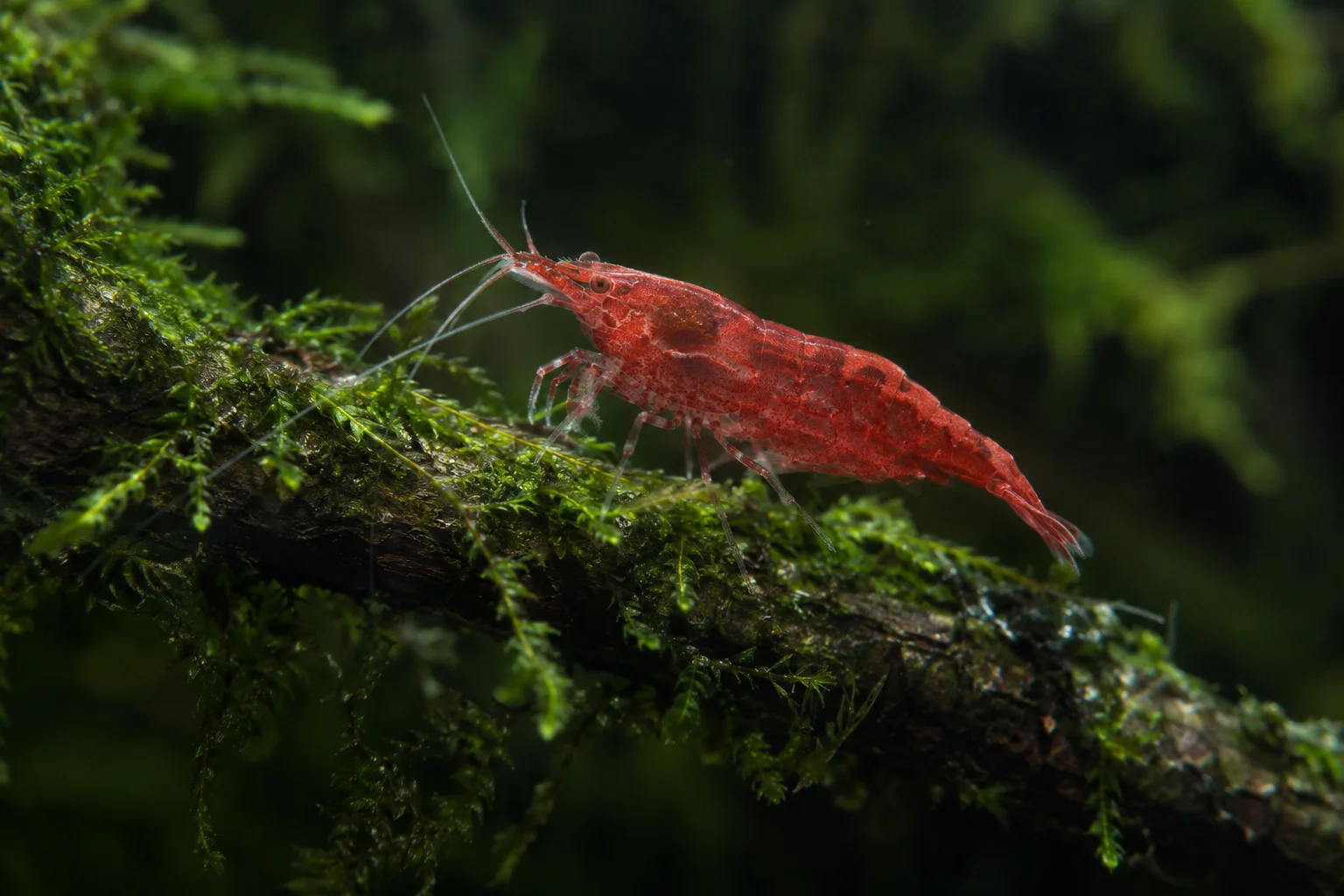
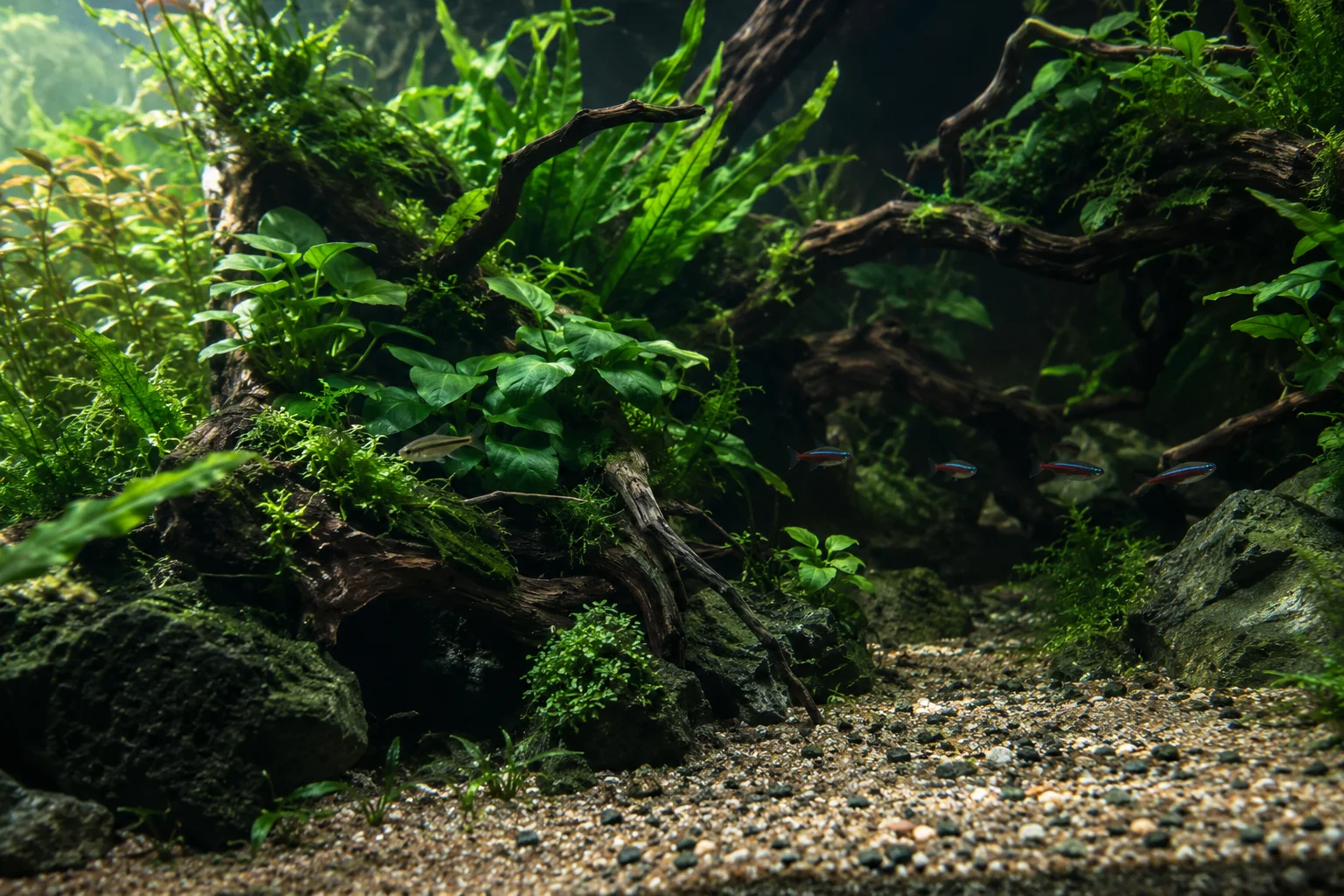
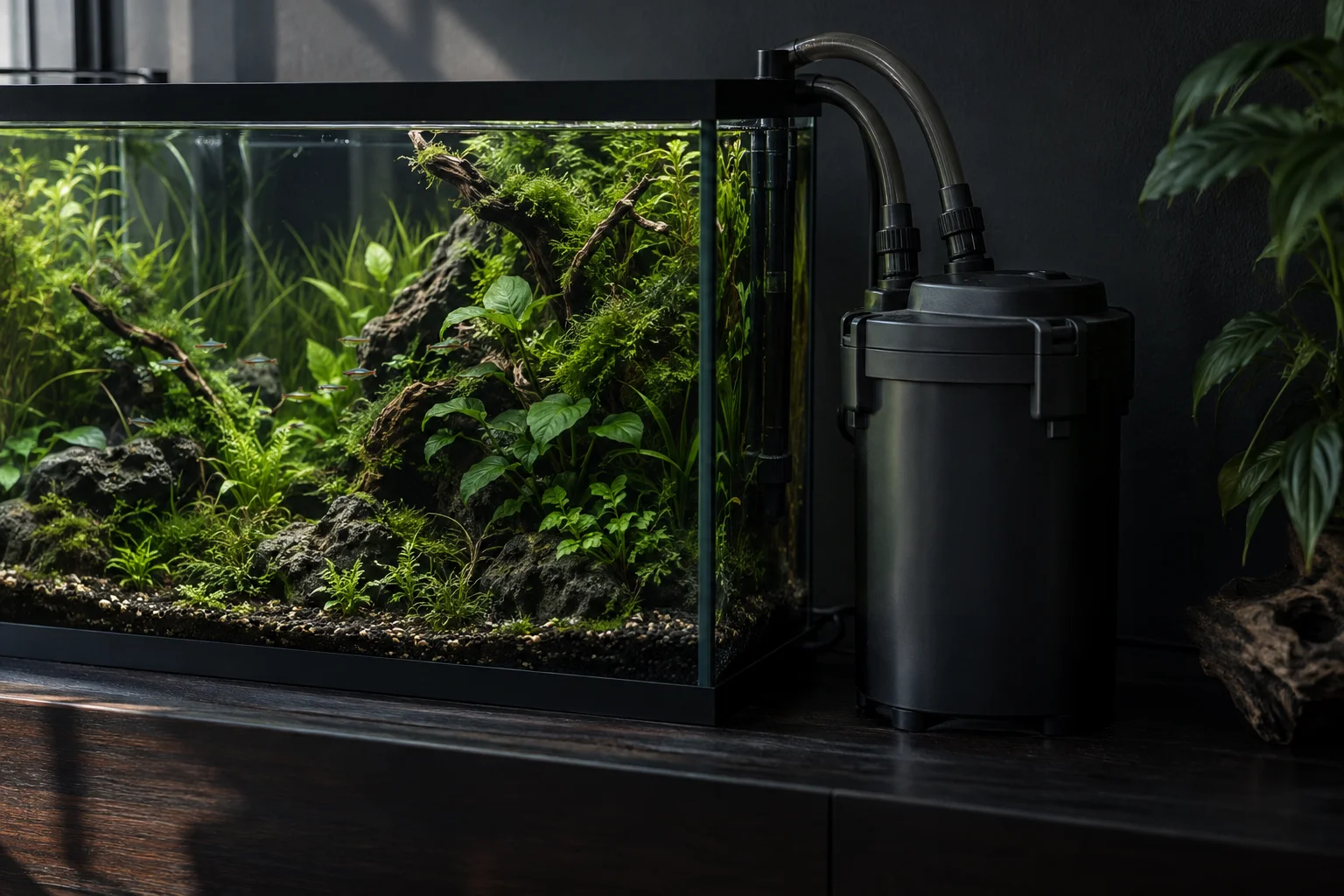
Where to start
Aquarium beginner guide: how to set up your first fish tank, step by step
Start here if you are buying your first tank: equipment, placement, timeline and budget, step by step.
Care & waterHow to cycle a fish tank: the complete nitrogen cycle guide
The single most important step before adding fish, explained with a fishless method and test readings.
Fish speciesBest beginner fish: 11 hardy, easy fish to keep in your first tank
Hardy, peaceful fish that forgive early mistakes, with tank sizes and group counts for each.
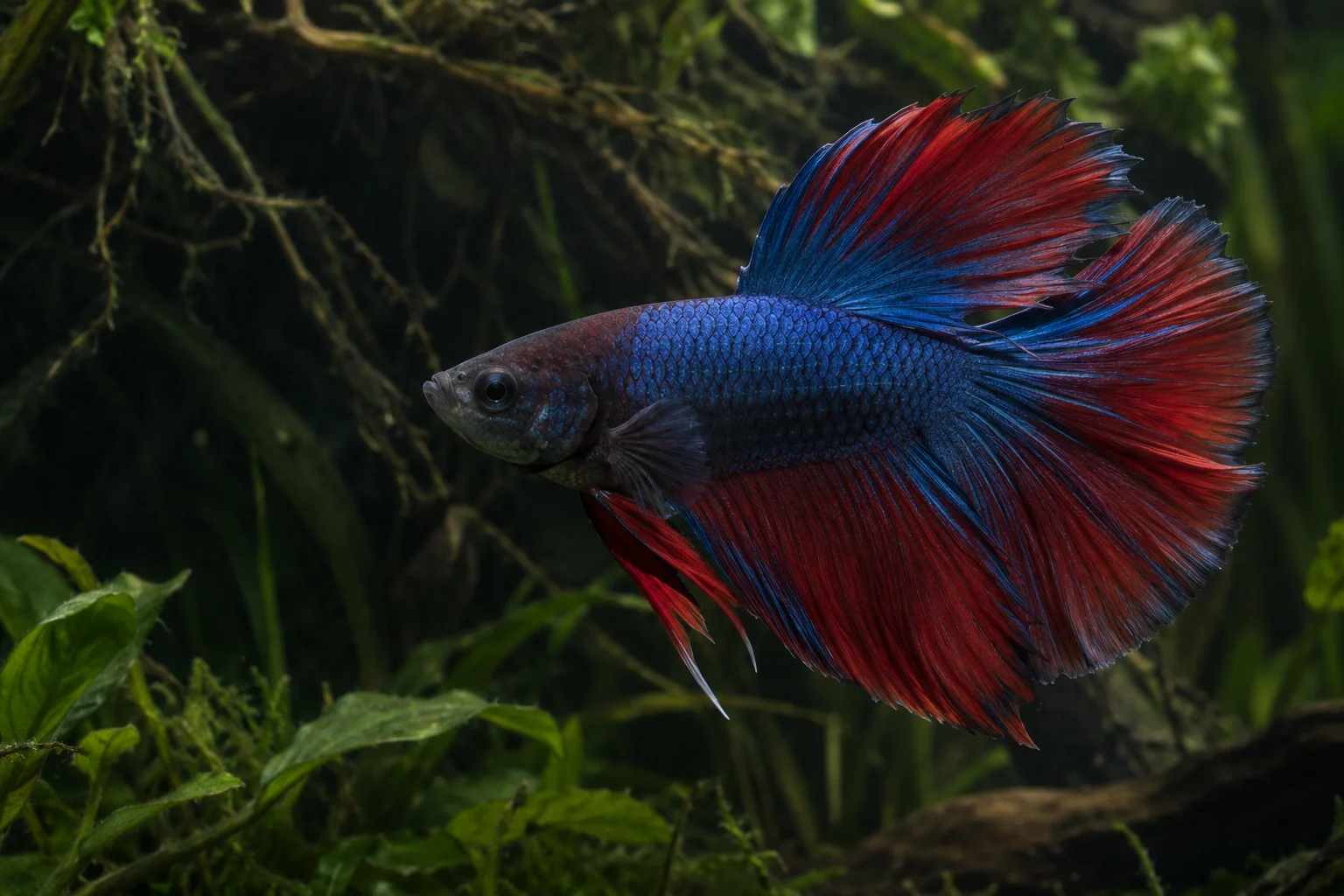
Fish speciesBetta fish care guide: tank size, water, diet and tank mates
The most popular pet fish in the US, and one of the most misunderstood. Here is what a betta actually needs.
Gear reviewsBest water conditioner for aquariums: 6 dechlorinators compared
Every water change starts with a dechlorinator. Compare the best options for fish, shrimp and plants.
Tank matesAquarium tank mates: which freshwater fish can live together
Check who can live with whom before you buy, for bettas, goldfish, angelfish, cichlids and more.
PlantsBest aquarium plants for beginners: 15 easy live plants
Easy live plants that grow under basic lights and help keep algae in check.
Diseases & algaeFish diseases and aquarium problems: identify, treat, prevent
Cloudy water, algae, ich or fin rot: identify the problem fast and treat it safely.
01
Your freshwater aquarium, explained without the guesswork
Keeping a freshwater fish tank is not hard, but it rewards patience and a little chemistry. Most problems new keepers run into, such as sudden fish deaths, cloudy water or algae blooms, trace back to the same few causes: a tank that was not cycled, too many fish too soon, or equipment that does not fit the setup. This site is organized to help you avoid those mistakes in the right order.
If you are new to the aquarium hobby, read the beginner aquarium guide first, then learn how to cycle a fish tank. Those two pages cover the foundation everything else depends on.
02
Choose fish that fit your tank
Tank size, water hardness and temperament matter more than color when you pick fish. Our species guides give adult size in inches and centimeters, minimum tank size in gallons and liters, water parameters and compatible tank mates. If you already have a tank, start from its volume: there are stocking plans for a 10-gallon tank and a 20-gallon tank, each with sample communities and fish counts.
Before mixing species, check the tank mates guides. Fin nippers, fish that outgrow the tank and species with different temperature needs cause more losses than disease.
03
Keep the water stable
Fish live in their water, so water quality is the real job. A routine of weekly partial changes, filter maintenance in old tank water and regular testing keeps most tanks healthy for years. Learn the target ranges in our guide to aquarium water parameters and the right method for an aquarium water change.
- Ammonia and nitrite: 0 ppm in a cycled tank
- Nitrate: ideally under 20–40 ppm, lowered by water changes and plants
- Temperature: 75–80 °F (24–27 °C) for most tropical community fish
- pH: stable matters more than perfect, most community fish do well between 6.5 and 7.5
04
Live plants, shrimp and aquascaping
Live plants use nitrate, compete with algae and give fish cover. Hardy species like java fern and anubias grow under modest light with no CO2. When you want more, the aquascaping section covers styles such as Iwagumi, Dutch and the low-tech Walstad method. Dwarf shrimp and snails fit naturally into planted tanks: see cherry shrimp care for the easiest place to start.
05
Aquarium reviews you can trust
Our aquarium reviews compare filters, heaters, lights, test kits and other gear by what matters in a home tank: reliability, ease of maintenance, safety for fish and shrimp, and value. Each review explains its selection criteria and who each product is not for. We do not publish star ratings or invented test results. Some links are affiliate links, which never decide what we recommend.
06
When something goes wrong
White spots, clamped fins, gasping at the surface or green water all have known causes and safe fixes. The troubleshooting section helps you identify the symptom, fix the water first and treat only when needed. For fish in serious trouble, start with ammonia poisoning, the most common emergency in new tanks, and contact an aquatic vet when a treatment does not work.
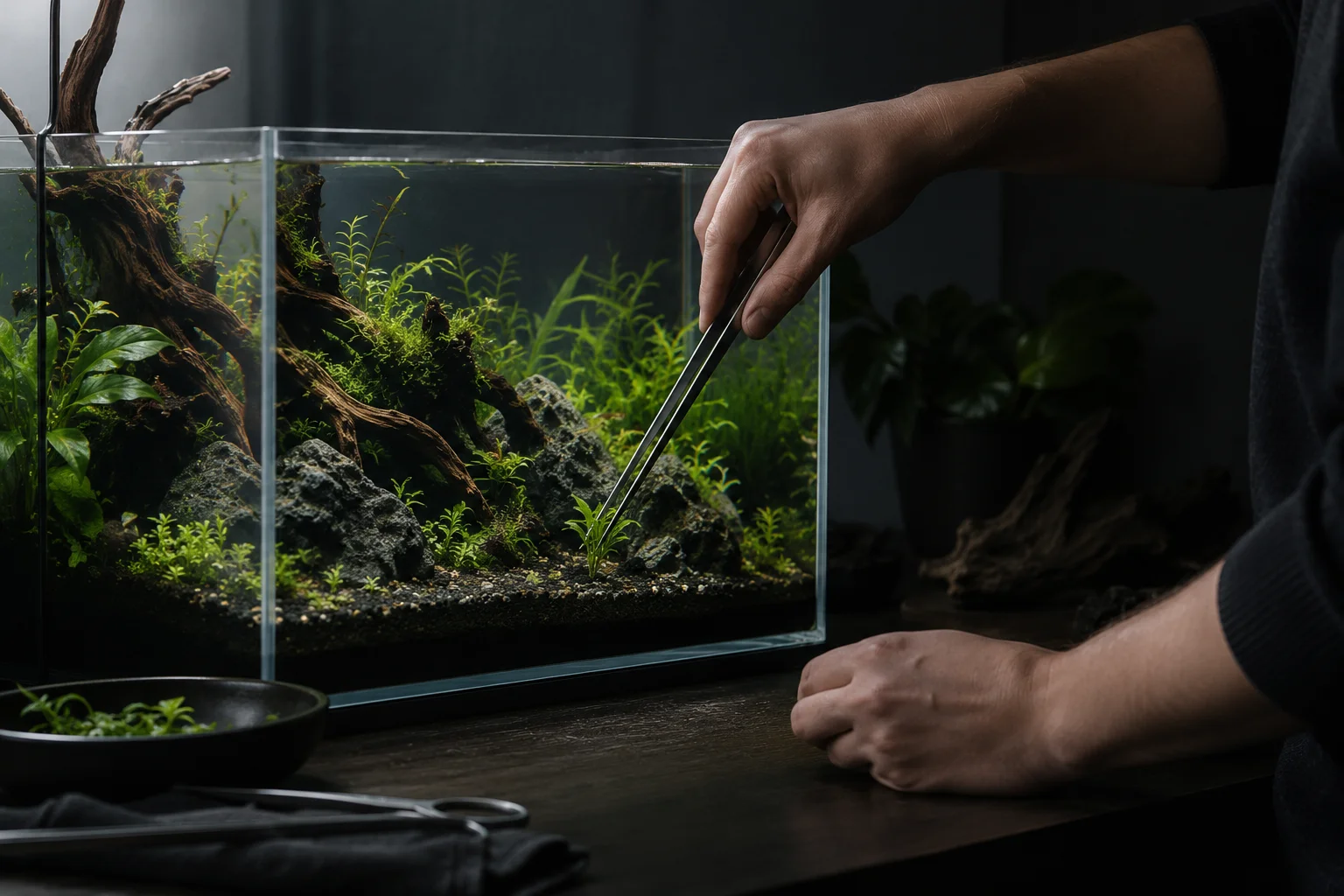
Start here
Your first aquarium starts here.
A step-by-step path to set up, cycle and stock your first tank.
The beginner guideFrom the blog
Frequently asked questions
Frequently asked questions
Is a freshwater aquarium good for beginners?
Yes. A freshwater aquarium is the best way into the hobby: equipment is affordable, many fish are hardy, and mistakes are easier to correct than in saltwater. Start with a 20-gallon (75 L) tank if you have room, cycle it before adding fish, and choose peaceful, hardy species. A stable routine matters more than expensive gear.
What size fish tank should a beginner buy?
A 20-gallon (75 L) tank is the easiest size for most beginners because the larger volume dilutes waste and keeps temperature stable. A 10-gallon (38 L) tank works well for a betta or a small group of nano fish. Tanks under 5 gallons (19 L) are harder to keep stable and suit very few fish.
How long before I can add fish to a new tank?
Plan on 4–8 weeks for a fishless cycle. You can add fish once the tank clears a dose of ammonia to 0 ppm ammonia and 0 ppm nitrite within 24 hours, with nitrate showing up. Bottled bacteria can shorten the wait, but always confirm with a test kit, then add fish a few at a time.
How often should I clean a freshwater fish tank?
Change 20–30% of the water once a week, vacuuming the substrate as you go. Rinse the filter media in removed tank water every few weeks, never under the tap, so you keep the beneficial bacteria. Wipe algae off the glass as needed. Lightly stocked, planted tanks can sometimes stretch water changes to every two weeks.
What equipment does a freshwater aquarium need?
The essentials are a tank with a lid, a filter rated for its volume, an adjustable heater for tropical fish, a thermometer, a water conditioner, a liquid test kit, a gravel vacuum and a light. Plants, substrate and decor complete the setup. Our reviews compare reliable options in each category.